Baseload power
Nuclear energy can provide reliable 24/7 electricity that supports manufacturing, hospitals, data infrastructure, research, and industrial production.
 Light Up Naija
National energy infrastructure initiative
Light Up Naija is a long-term platform focused on stable electricity, nuclear-energy education, technical partnerships, and infrastructure modernization for Nigeria and Africa.
The national problem
For decades, Nigeria’s homes, businesses, factories, hospitals, and institutions have operated within the limitations of unreliable power supply. Millions of Nigerians spend heavily on fuel and generators simply to perform everyday activities. Manufacturers struggle with rising production costs. Small businesses shut down daily. Innovation slows. Industrial growth becomes difficult.
Electricity is not a luxury. It is the foundation of production, technology, manufacturing, healthcare, research, national security, and economic growth.
Light Up Naija was created from the belief that Nigeria must begin serious long-term conversations around dependable baseload power and modern energy infrastructure.
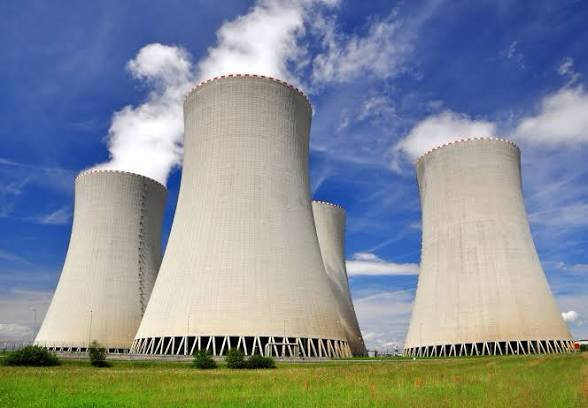 Stable baseload electricity for industrial growth
The nuclear pathway
Our objective is to explore pathways toward dependable baseload electricity through modern energy infrastructure, including advanced nuclear-energy technologies, grid modernization, technical partnerships, workforce development, regulatory engagement, and long-term industrial planning.
Nuclear energy can provide reliable 24/7 electricity that supports manufacturing, hospitals, data infrastructure, research, and industrial production.
A modern power system requires dependable generation, transmission planning, safety standards, and investment in grid infrastructure.
The process must include workforce training, local supply-chain assessment, regulatory alignment, and international technical partnerships.
Technical education module
This simplified flow explains how uranium fuel becomes electricity for the national grid. The purpose is public education and early-stage infrastructure understanding.
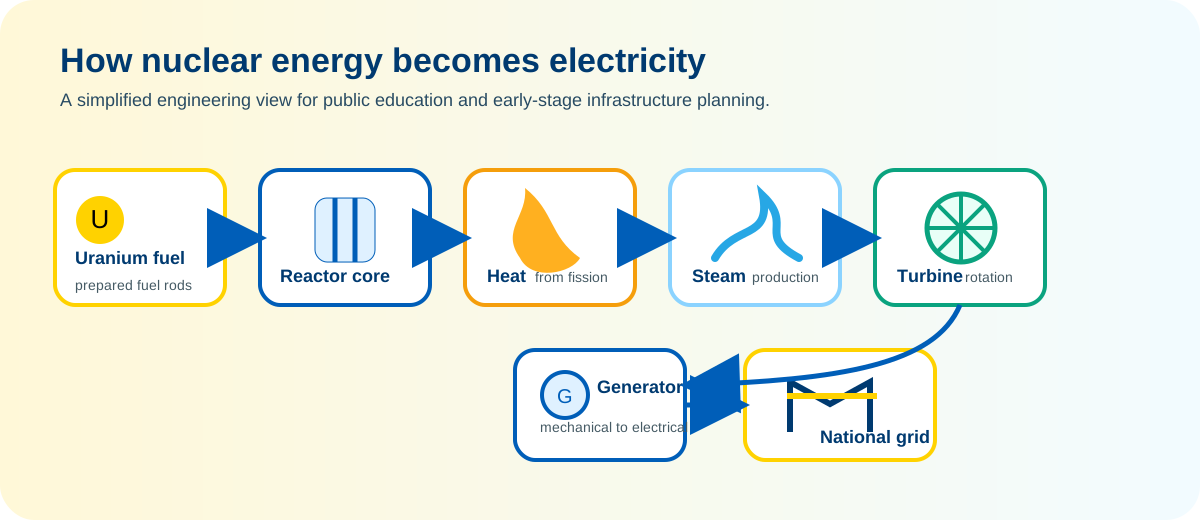
Uranium is processed into fuel used inside a reactor core under strict regulatory and safety controls.
Inside the reactor, controlled fission releases heat. This heat is managed by engineered safety and cooling systems.
The heat turns water into steam in a controlled system.
Steam drives a turbine, converting thermal energy into mechanical movement.
The turbine drives a generator, producing electricity.
Power is transmitted through grid infrastructure to industries, homes, hospitals, and institutions.
Development roadmap
Educate Nigerians on energy infrastructure, nuclear power, grid stability, and industrial development.
Engage qualified nuclear companies, engineers, regulators, and advisors to understand options and requirements.
Work within Nigeria’s lawful nuclear-energy framework, safety rules, licensing process, and international guidance.
Explore public-private partnerships, diaspora participation, institutional financing, and strategic energy partners.
Support the training of engineers, operators, technicians, safety professionals, and local supply-chain participants.
Advance Nigeria toward stable electricity infrastructure capable of supporting an industrial economy.

Founder’s vision
Uche Okoye is a Nigerian-Canadian with over 10 years of hands-on experience within Canada’s energy sector through Siemens Energy, working around reactor manufacturing, line traps, transmission infrastructure, and power-grid systems.
Through years of experience within the energy industry, he developed a strong interest in stable electricity infrastructure, industrial development, and long-term energy modernization in Nigeria and across Africa through the Light Up Naija initiative.
Join Light Up Naija
We welcome engineers, investors, diaspora professionals, policy thinkers, students, institutions, and Nigerians who believe stable electricity is central to industrial development.